📅 Objavljeno: 15. svibnja 2025.

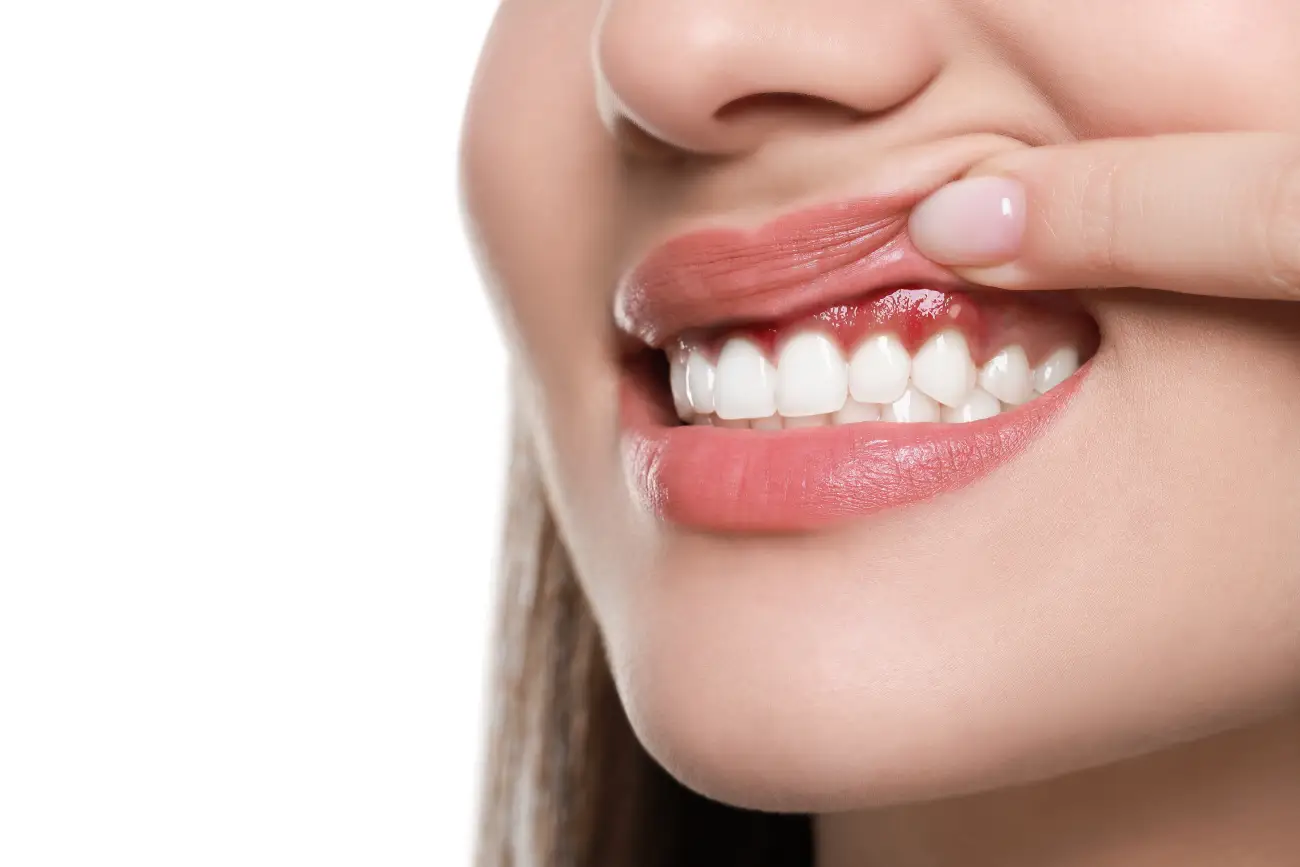
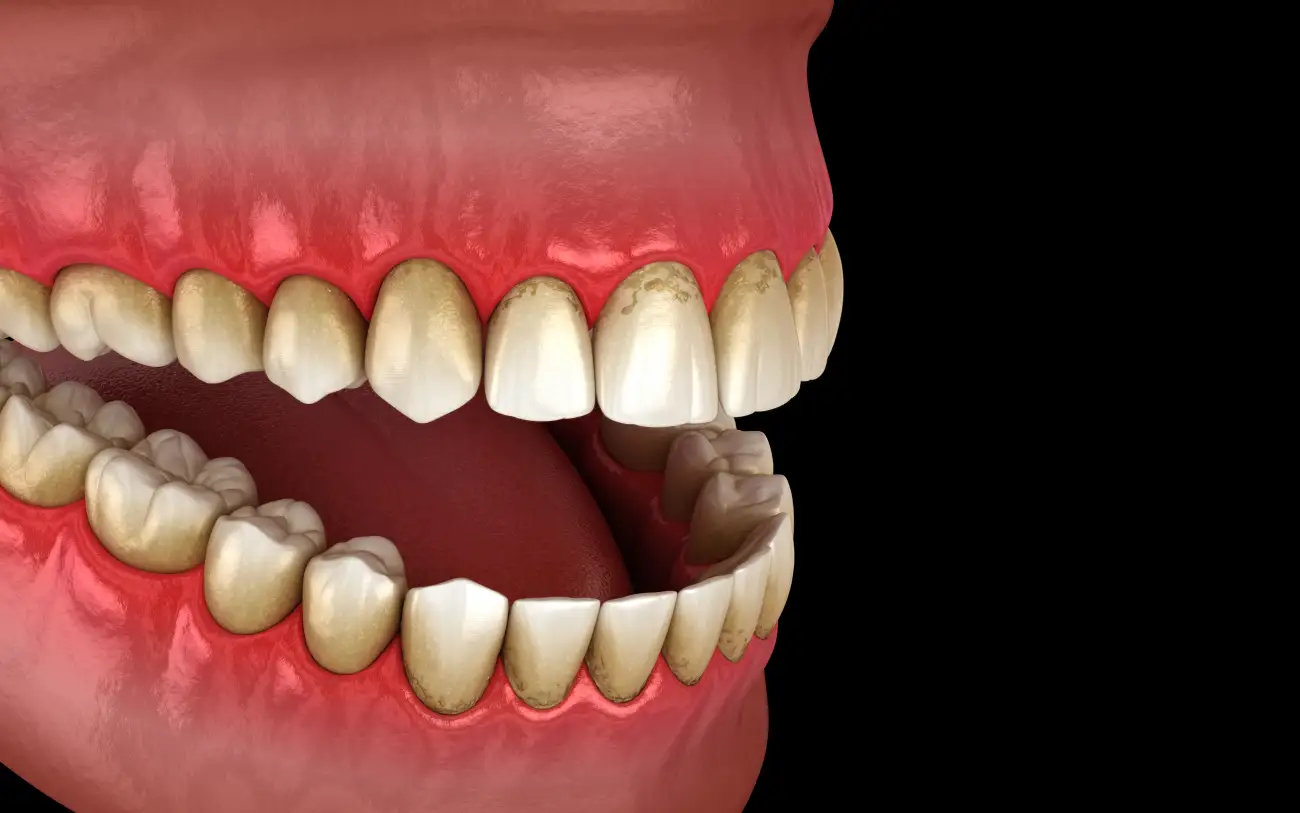
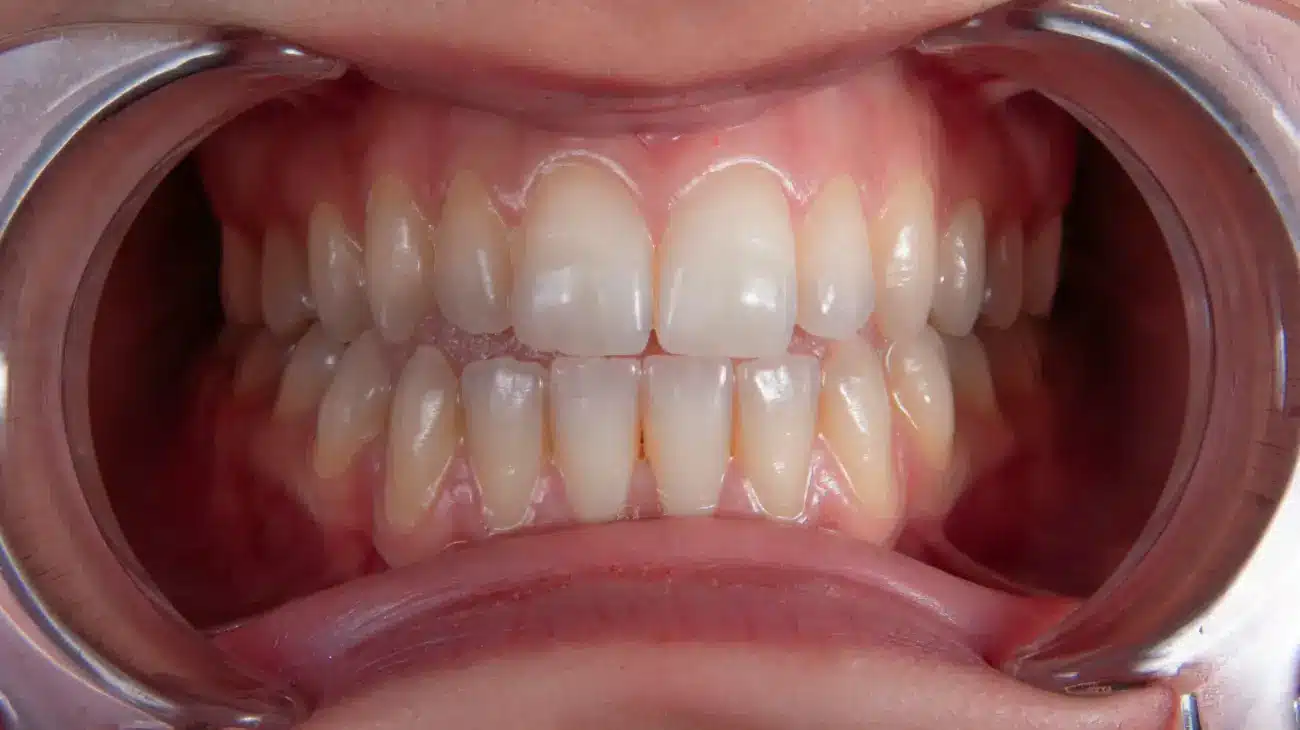
the illustration of the bleeding gums

Periodontal Gum Disease

What is Periodontal Gum Disease?

Periodontology is a branch of dentistry that helps maintain the health of the tooth’s supporting system and improves disease prevention with a proper treatment. A healthy periodontium successfully supports the teeth. In dental practice Dentus perfectus we offer treatments for healthy gums. Healthy gums are important in order for teeth to stay strong and healthy.

Why do gums need treatment?

When inflamed – the periodontium begins to lose its function and causes irreversible damage to the gums. Gingiva covers the bone so when the gingiva recedes there is a risk of a bone resorption and loose teeth. 

If cleaned properly gums are free of bacteria, dental plaque and calculus. Healthy gums support strong and healthy teeth.
What are the key stages of gum disease?

The initial stage of the gum disease is called gingivitis. The advanced stage is called periodontitis.

What is a periodontal pocket?

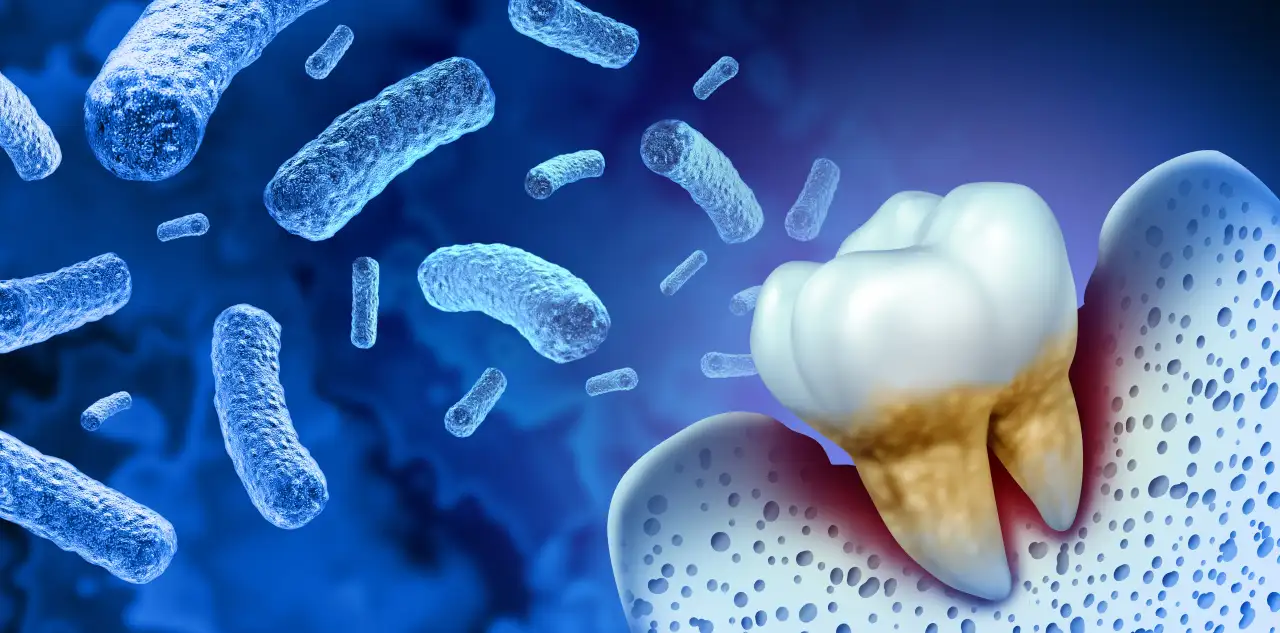
A periodontal pocket is the space between the tooth and the gum where bacteria accumulate and cause destructive effects on the gum and bone. 

What is the normal depth of the periodontal pocket?

From 1-3 mm. If not treated – they tend to become deeper and deeper. They promote gum disease and tooth mobility and over time – tooth loss. A depth of 4 millimeters or more requires treatment and professional help from our dentist.

gum disease is caused by the bad bacteria in the mouth

Make an appointment today!

What are the components of the periodontium?

-gingival tissue (gums)

-periodontal ligament (PDL)

-cementum

-alveolar bone

How to notice gingivitis?

Bleeding gums are the first sign of early periodontal disease called gingivitis. They promote gum recession, gum separation from the teeth, the formation of periodontal pockets, bacterial retention, irreversible tissue damage, bad breath and tooth mobility. 

What are the consequences of gum disease?

Gingivitis or bleeding gums directly affects the development of cardiovascular disease. 

The spread of bacteria can cause stroke or heart attack, blood clots and damage to blood vessels. You can expect permanent damage to the teeth. Gingivitis often activates during pregnancy and can lead to many complications. 

What causes gingivitis?

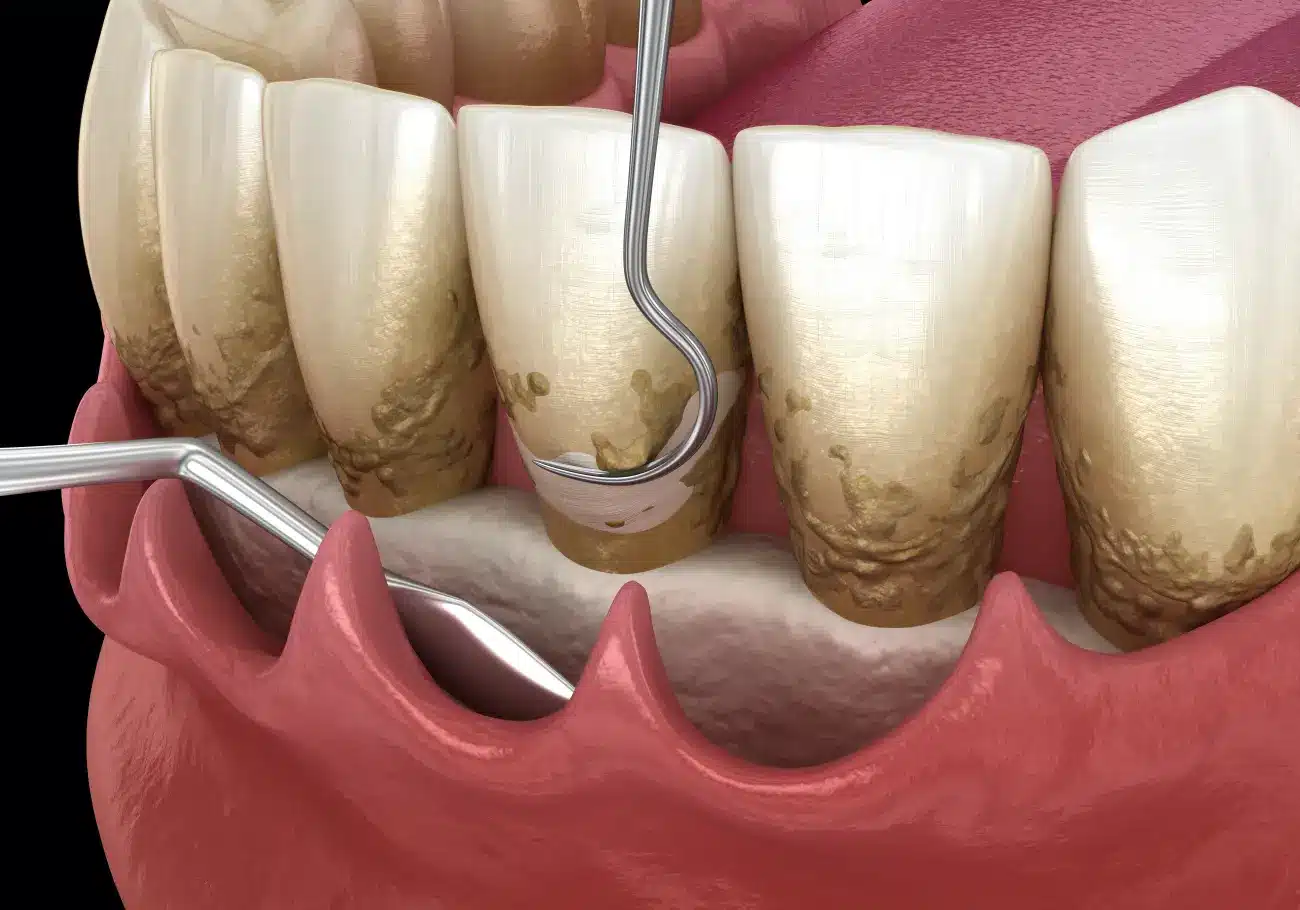
Gingivitis is caused by low hygiene when dental plaque or calculus (tartar) accumulates on the teeth, which then causes the inflammation of the gums surrounding the teeth.

What is periodontitis?

Periodontitis is a chronic disease that affects the deeper structures of the tooth bone.

In case of periodontitis the gums are receding and there is a risk of accelerated tooth bone loss. It is treated with periodontal therapy – surgical or non-surgical.

Who has the best chances to recover?

The highest chances of recovery are recorded in patients who request early dental help and in whom therapy is started on time. If left untreated, the development of periodontitis can lead to tooth loss.

How to remove tartar from teeth?

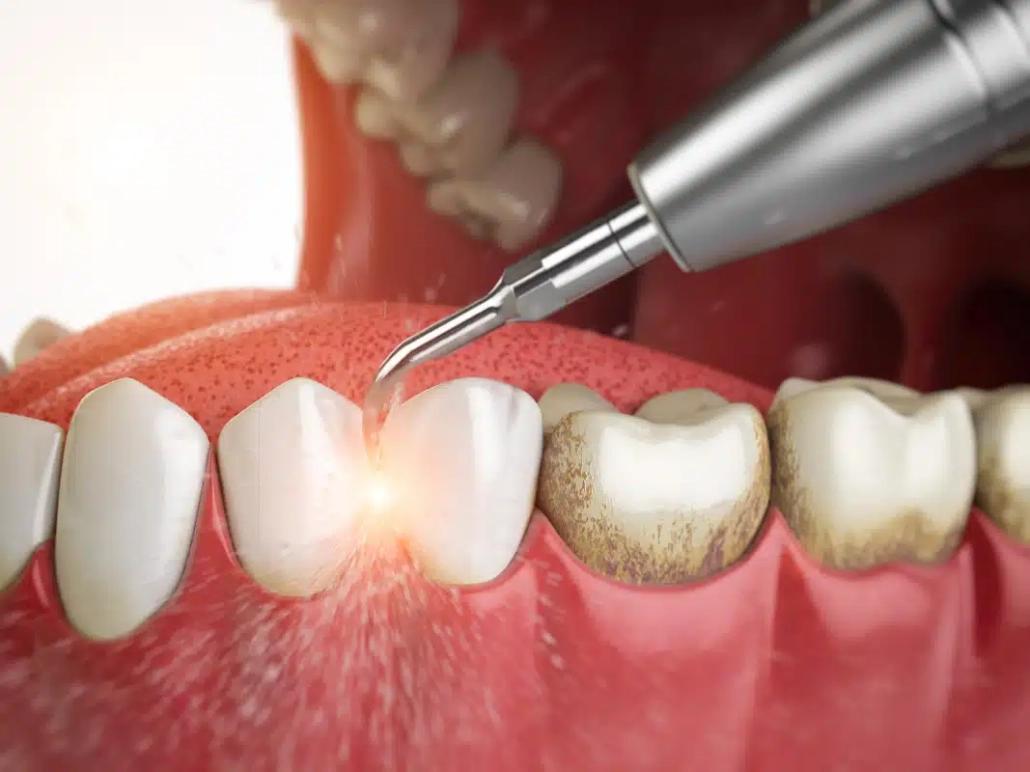
Dental plaque and tartar cannot be avoided. Tartar must be removed regularly (after every meal) to keep teeth healthy and reduce the possibility of developing cavities. We provide professional dental hygiene with our dentist. With regular professional hygiene, bleeding teeth will become a thing of the past.

Which treatments to choose?

Professional hygiene includes calculus removal, teeth sandblasting and polishing. For advanced gum disease we recommend dental curretage. 

How to prevent gum disease?

  • Use mouthwash daily.
  • Practice thorough oral hygiene after every meal. Brush your teeth after each meal for 2-3 minutes.
  • Regularly remove tartar – every 4-6 months.
  • Quit smoking. Avoid alcohol.
  • Vitamin C deficiency makes it difficult for gums to heal. Increase your vitamin C intake.
  • Vitamin D deficiency promotes the division of microbacteria.
Picture showing the waiting room and info point in Dental practice Dentus perfectus -

How do patients feel when they come to ask for professional help?

They are often scared, they report bad breath, bleeding gums, change in teh color of the gums, purulent discharge, vague pain in the teeth and the gums, unusual taste in the mouth, they are not being able to do their own hygiene. They feel loose teeth.

What to expect from the therapy?

  • Teeth stability
  • Light pink color of the teeth
  • Gums firmly attached to the surface of the teeth
  • Protecting tooth roots from external influences
  • Good dental health and health in general

Patients need to undergo periodontal treatments before any dental prosthetics or implants are being planned. Reconstruction of the teeth cannot be done if there is active gum disease.

Why choose Dentus perfectus dental office?

  • Find all dental services in one place.

  • Let our team of dental experts guide you to a new smile.

  • We offer a welcome package for new patients.

  • Choose therapy that best suits you.

We have answered our patients’ questions about “Periodontal Gum Disease”

Yes, if the treatment is not started in time, teeth become loose and eventually fall out. With proper treatment, it is possible to stop further progression of the disease.

For dental implants, it is necessary to keep the disease under control, otherwise the body may reject the dental implant.

A periodontist is a dentist specialized in the protection of soft and hard supporting structures of teeth with the aim of prevention, diagnosis and treatment of periodontal disease.

It is a name for the treatment from the specialised field of periodontology in which we deeply remove bacteria and tartar from below the gum line in order to bring patients to the stage where they can independently perform their own oral hygiene. It is carried out continuously over two consecutive days. The therapy is painless. We do it under anesthesia.

We recommend using Paradontax paste, which we have provided for all patients who undergo the procedure. After the treatment the teeth are very sensitive and prone to bleeding. The toothpaste will protect gums and teeth and greatly ease the discomfort. The selected paste is herbal and very effective.

Reduce smoking to less than 5 cigarettes a day or quit the habit.

Brush your gums only with a soft toothbrush head. If necessary, you can use a medium toothbrush for your teeth if excessive plaque buildup is noted during check-ups. But you should take the advice from the dentist after the control dental exam. 

Make an appointment today!

Patient Testimonials

KONTAKTIRAJTE NAS