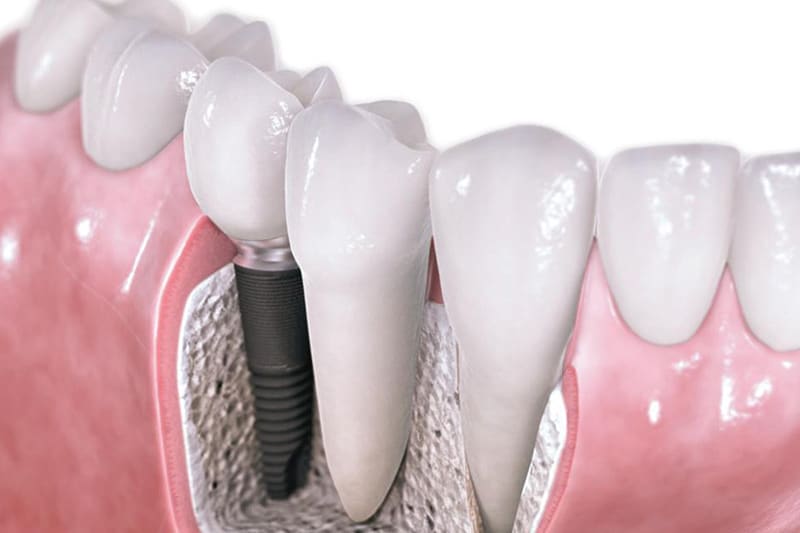
Zirconia ceramic crown
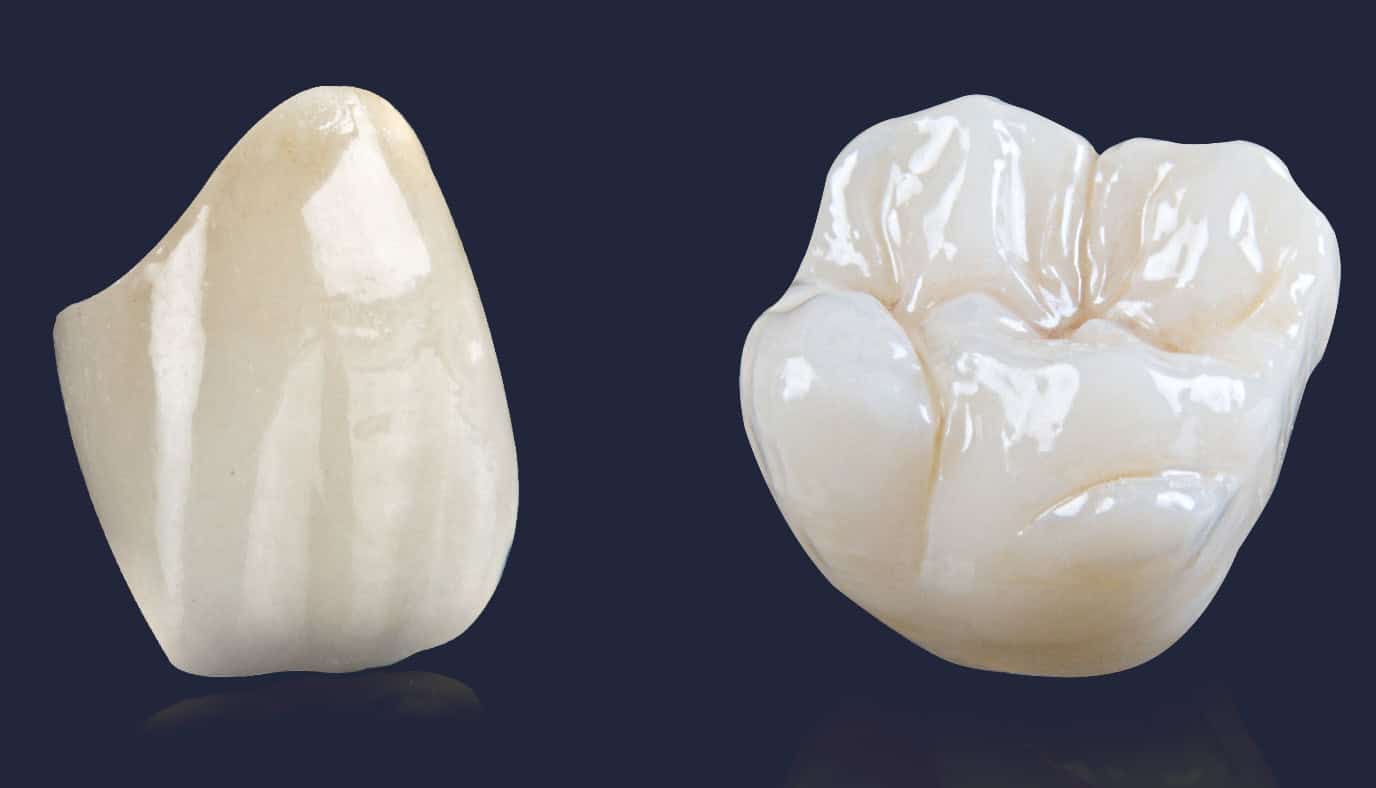
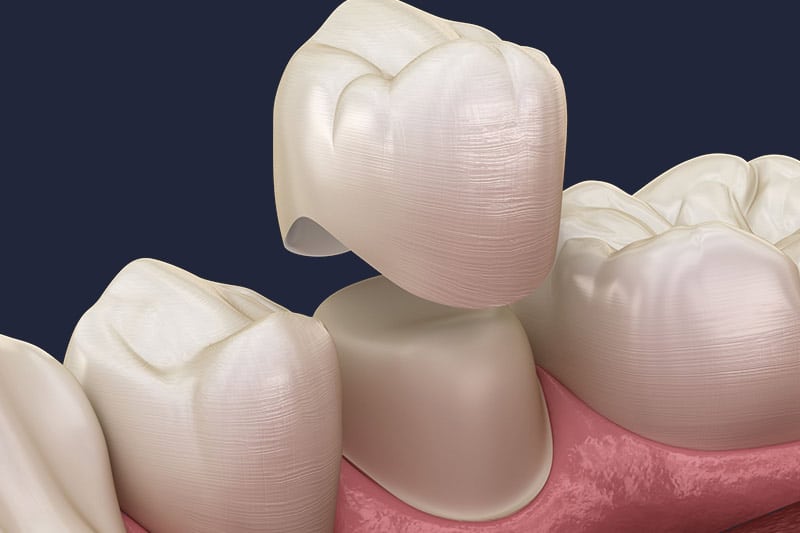
Zirconia ceramic crowns are made on a solid, tooth‑coloured zirconia base instead of metal base. Because the material is naturally white and lets light pass through like real enamel, these crowns look realistic. Even when the underlying tooth is dark or when several teeth are joined together in a bridge. Zirconia is also remarkably strong, so the crown can be thinner than a metal‑ceramic one. That is better for the patient because it means we remove less of your healthy tooth during preparation.
Modern crowns are milled from a single block of zirconia (monolithic) or have a thin porcelain veneer fused to the front and greatly reduce the risk of the surface chipping. Dentists of the world have used non‑metal zirconia crowns for more than forty years because they combine durability and beauty.
Their benefits are that they work just as well on back molars as on front teeth. They sit snugly on the prepared tooth and can span a bridge even when only a few natural teeth are left for support.
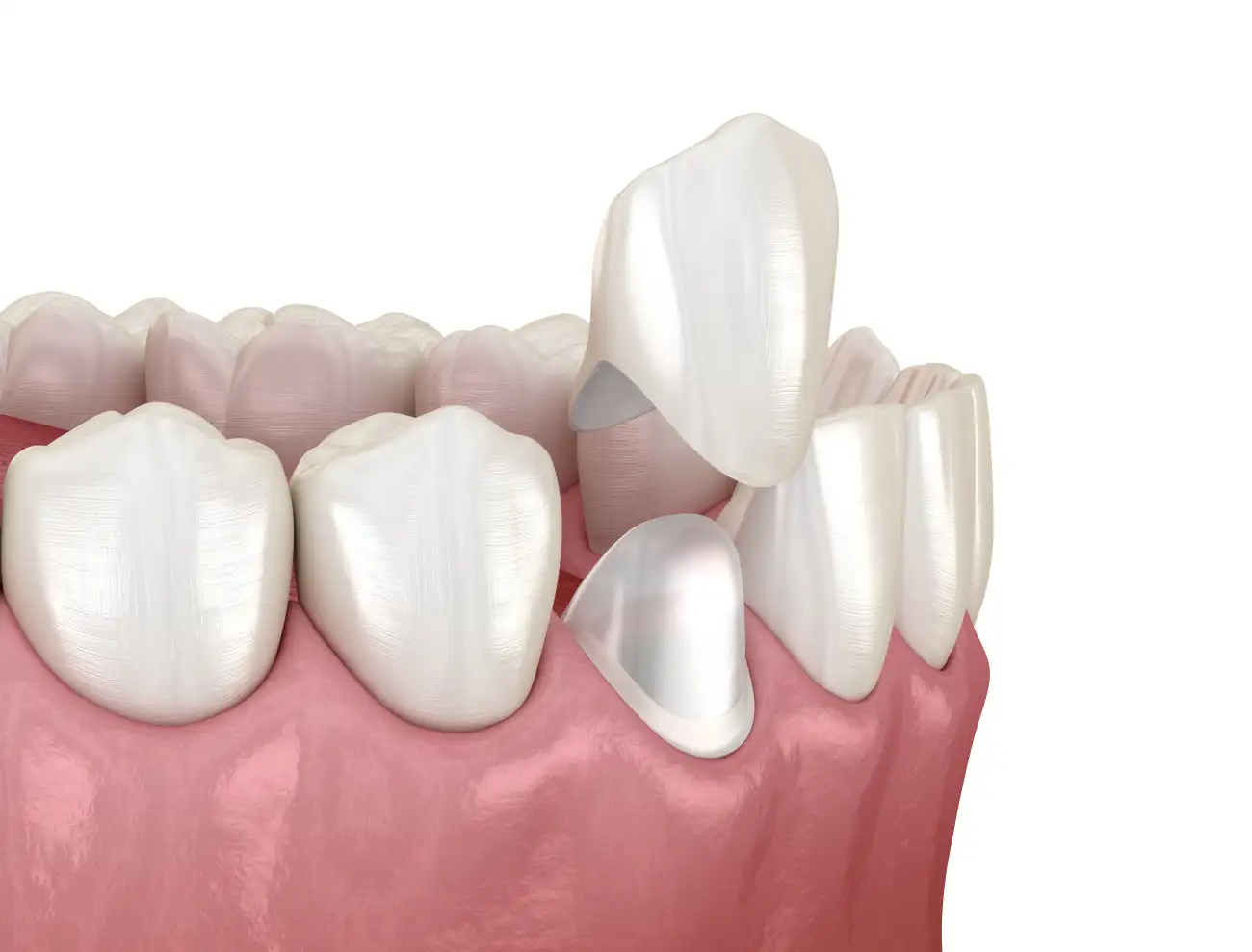
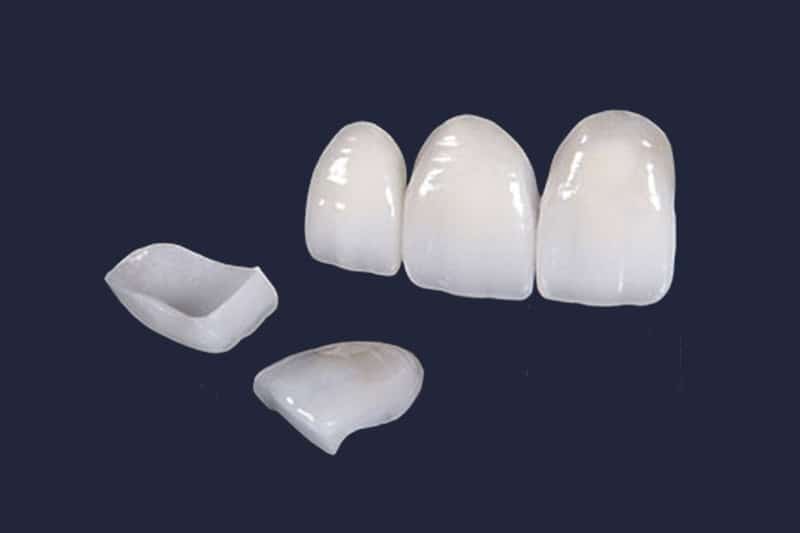
Full ceramic crown
These crowns contain no metal at all; they are milled or pressed entirely from porcelain‑based ceramics such as feldspathic or high‑strength lithium‑disilicate glass‑ceramic. Because light can travel through these materials almost exactly as it does through real enamel, the color, translucency, and subtle glow match neighbouring teeth so closely that even dentists sometimes have to double‑check which tooth is crowned. For more than a decade they have been the go‑to choice when flawless appearance is the priority. We use them for single‑tooth crowns, veneers, and precise ceramic inlays, onlays or overlays. They are less popular for multi‑tooth bridges where extra rigidity is essential. For multi-tooth bridges zirconia or porcelain‑fused‑to‑metal frameworks are stronger options. At Dentus Perfectus dental practice we craft our all‑ceramic restorations so that they combine beauty and are reliable long‑term solution.