Which material to choose for a dental bridge?
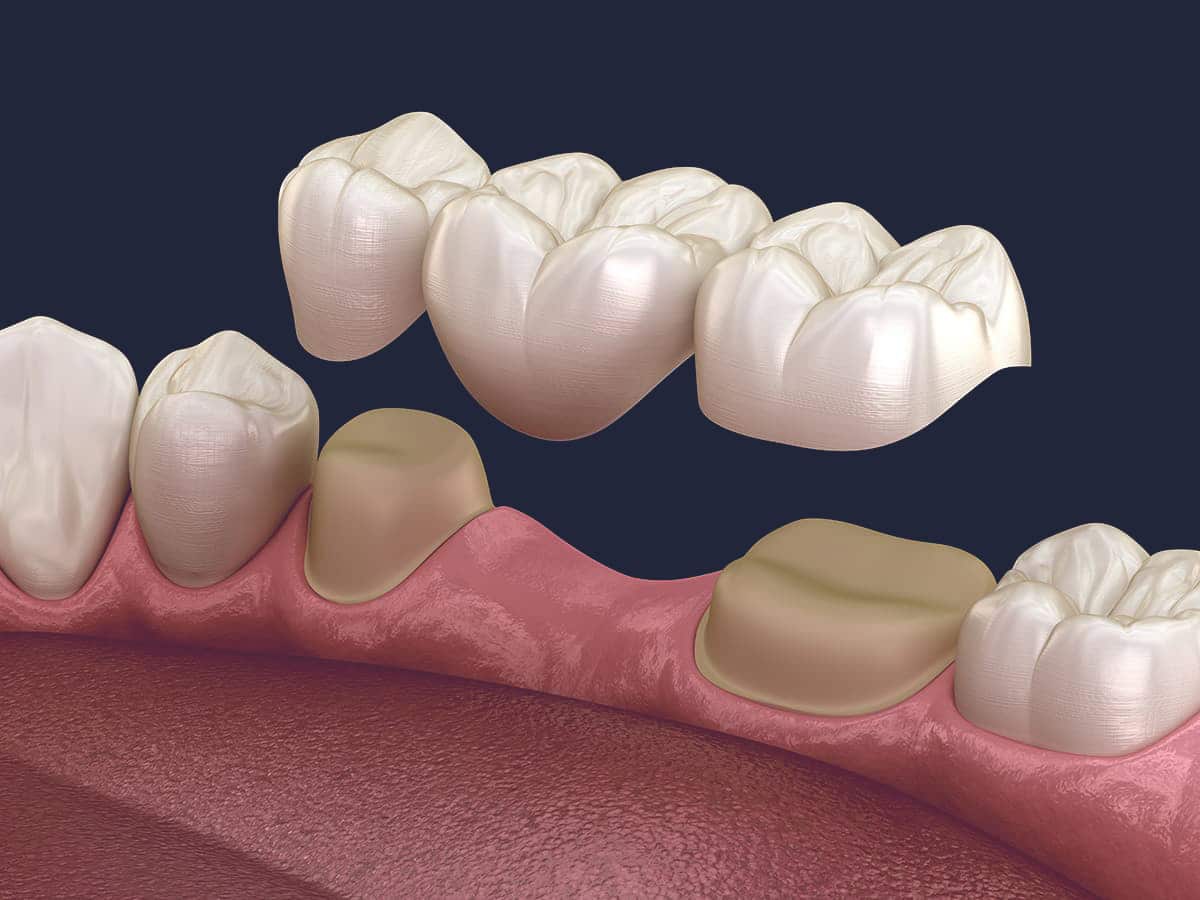
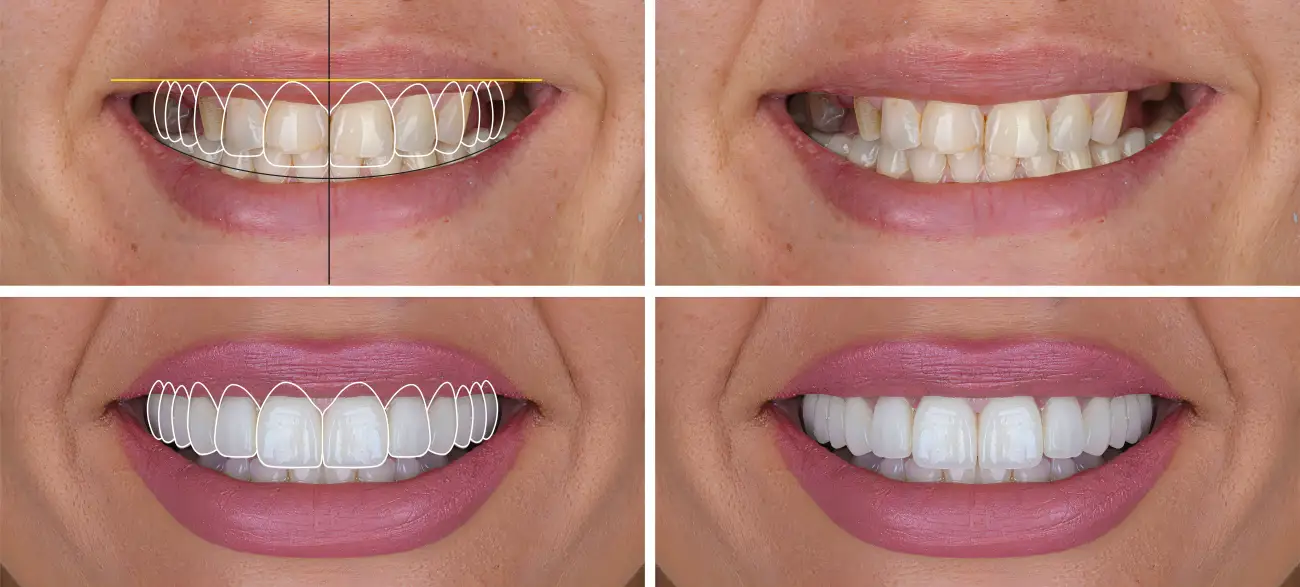
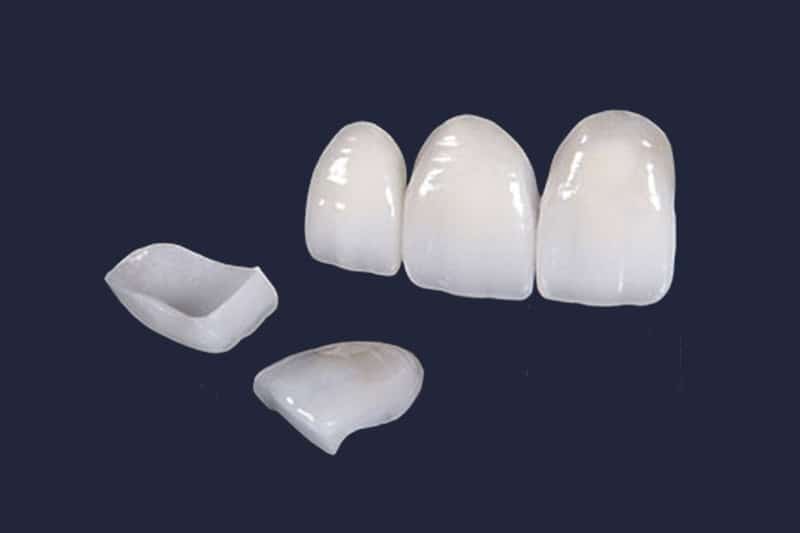
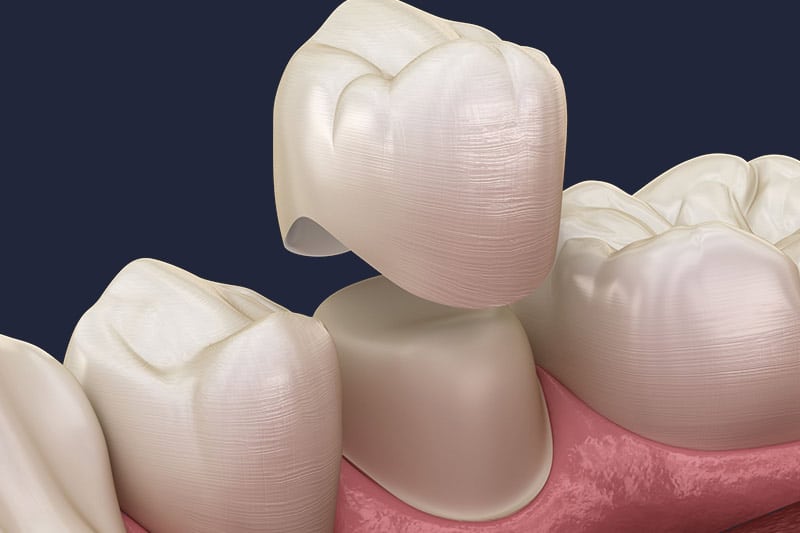
Ceramics. Ceramics are applied in layers of different colors and shades to create the overall impression of the naturalness of the teeth. Ceramics is a biocompatible material that does not cause allergic reactions. A ceramic bridge, due to the similarity of the material with tooth enamel, allows the patient the best feeling of natural teeth. E max non-metal ceramics contributes with its volume to the color and optical effects of the teeth to make them look natural. This material is not characterized with great strength so it is limited to dental bridges that has maximal 3 teeth where chew forces are not high.
Zircon ceramics. Zircon ceramic is the best material for making a dental bridge, it perfectly imitates the natural color of teeth, transmits and reflects light similarly to natural teeth. It is characterized by high strength and stability. In these bridges, the ceramic is bonded to a zirconium oxide substrate. These dental bridges are made in the Dentus perfectus office using digital CAD CAM technology, which allows us to complete the work in the shortest possible time. Zircon ceramic is top quality material for production. This material mimics natural colors of teeth due to reflection of light in way natural teeth does that. In this case ceramics is based attaches to zirconium oxide substrate.
Metal-ceramics. Metal-ceramics are characterized by a metal base on which ceramic is attached, which masks the color of the metal and imitates the appearance of natural teeth. Metal-ceramic bridges are characterized by high strength and stability, but due to the metal base, they are not the material of choice for front teeth. Metal-ceramic dental bridges are a more economical solution compared to zircon-ceramic bridges, they are especially recommended for prosthetic works located in the posterior region. Metal ceramic dental bridge is most economical in contract to others.