
📅 Objavljeno: 13. May 2020.
🔄 Zadnje ažurirano: 7. May 2025.

Dentus perfectus - toothache - tooth repair

Tooth Repair In Zagreb City

From ache to start feeling better in a single visit. Trust Dentus Perfectus dental office in Zagreb for instant pain relief and long-lasting results.

Spot cavities early with regular dental check-ups. The good news is that if cavities are spotted early, the treatment itself is quick and barely noticeable.

  • What to look for? Small brown or black specks on the tooth surface.
  • How we fix it? We gently clean away the decay and place a natural‑looking white filling.
  • Why act now? Early repair keeps your tooth strong and prevents bigger problems later. One visit is all it takes to keep your smile healthy.

Why Are Regular Check-ups So Important?

We catch cavities before they spread. Regular check-ups and professional teeth cleaning at our dental office are very important part of dental care. By coming to your dental check-up regularly it is easier to spot broken tooth if you have one or any changes (caries in early stages does not hurt) so that your tooth can be treated in time.

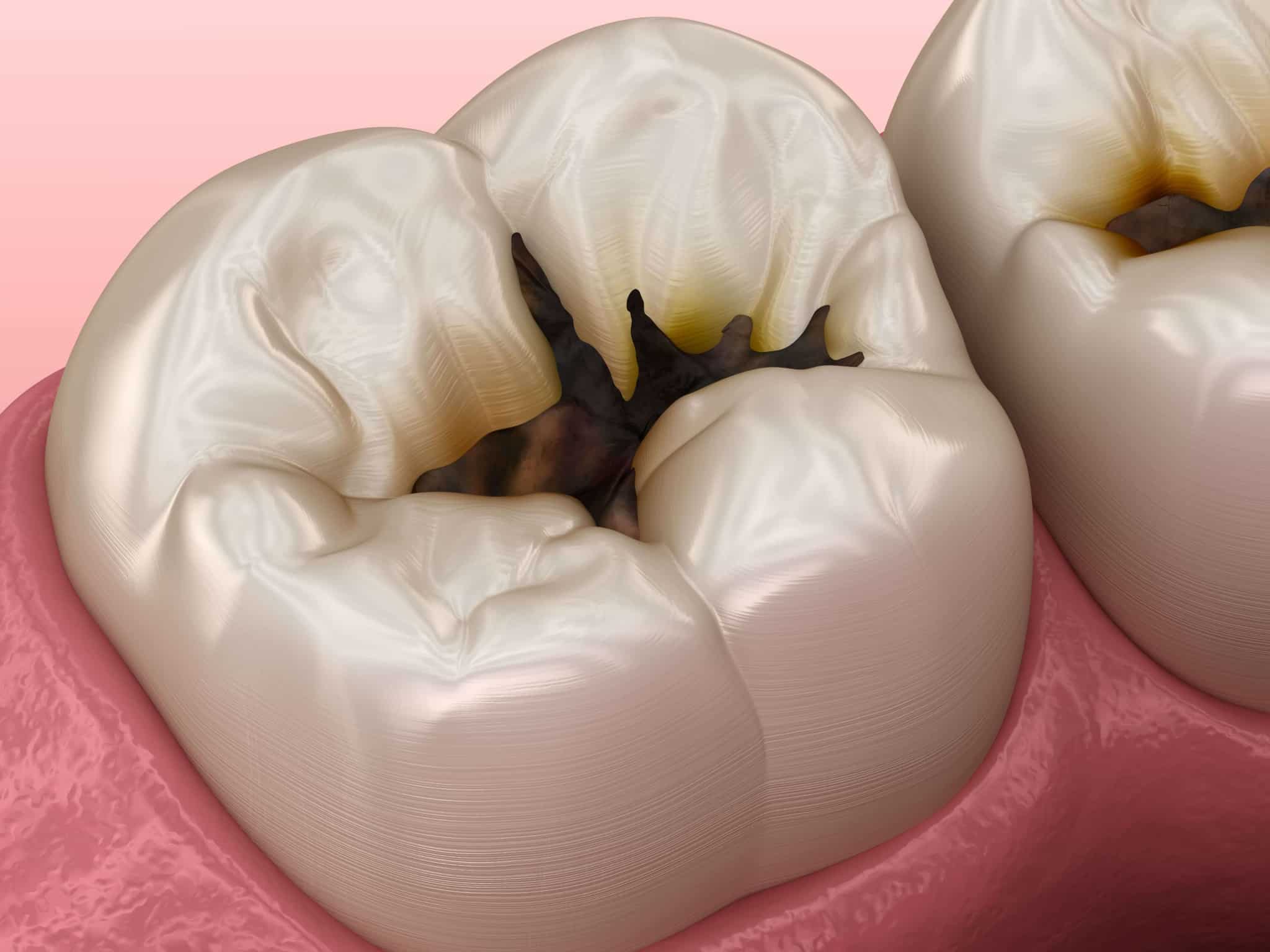
Tooth Repair Helps You Avoid Deeper Problems

Early diagnosis of a cavity – together with the quick tooth repair can stop cavity from spreading and making deeper and more painful problems. Patient does not feel the pain during initial stage and has no symptoms (besides changes in tooth color). In this stage, the tooth has brown or black spots on teeth.

When the cavity worsens, your tooth may start to hurt when you eat or drink something cold. This sensitivity may last longer if the tooth is damaged. It indicates that the decay has reached the nerve. To prevent broken tooth and toothache it is important to see our dentist in time for the tooth repair.

Leave the fear behind. At Dentus Perfectus dental office in Zagreb even the most detailed tooth repair happens without any pain—just relief and a healthy smile.

caries

What Is Tooth Decay?

Tooth decay is one of the most common dental diseases, and tooth restoration is one of the most common procedures in dentistry.

What Causes Tooth Decay?

Tooth decay occurs due to changes in the structure of the tooth. It is caused by oral, gingival and dental plaque that develops in the case of poor oral hygiene. Carious lesions can affect all parts of the tooth. They attack both deciduous and permanent teeth. Deciduous teeth have softer enamel and are generally more susceptible to tooth decay. The presence of tooth decay in hard-to-reach and invisible places is confirmed by additional diagnostic procedures.

How To Recognize The Symptoms Of Tooth Decay?

We recognize it by changes in color, hardness, stickiness and the appearance of a cavity in the tooth. We use adapted dental tools and X-ray diagnostics.

Where Do Cariogenic Bacteria Hide?

These can be deep fissures of teeth, cracks, weakened fillings, untreated caries, worn-out dental crowns and interdental spaces. 

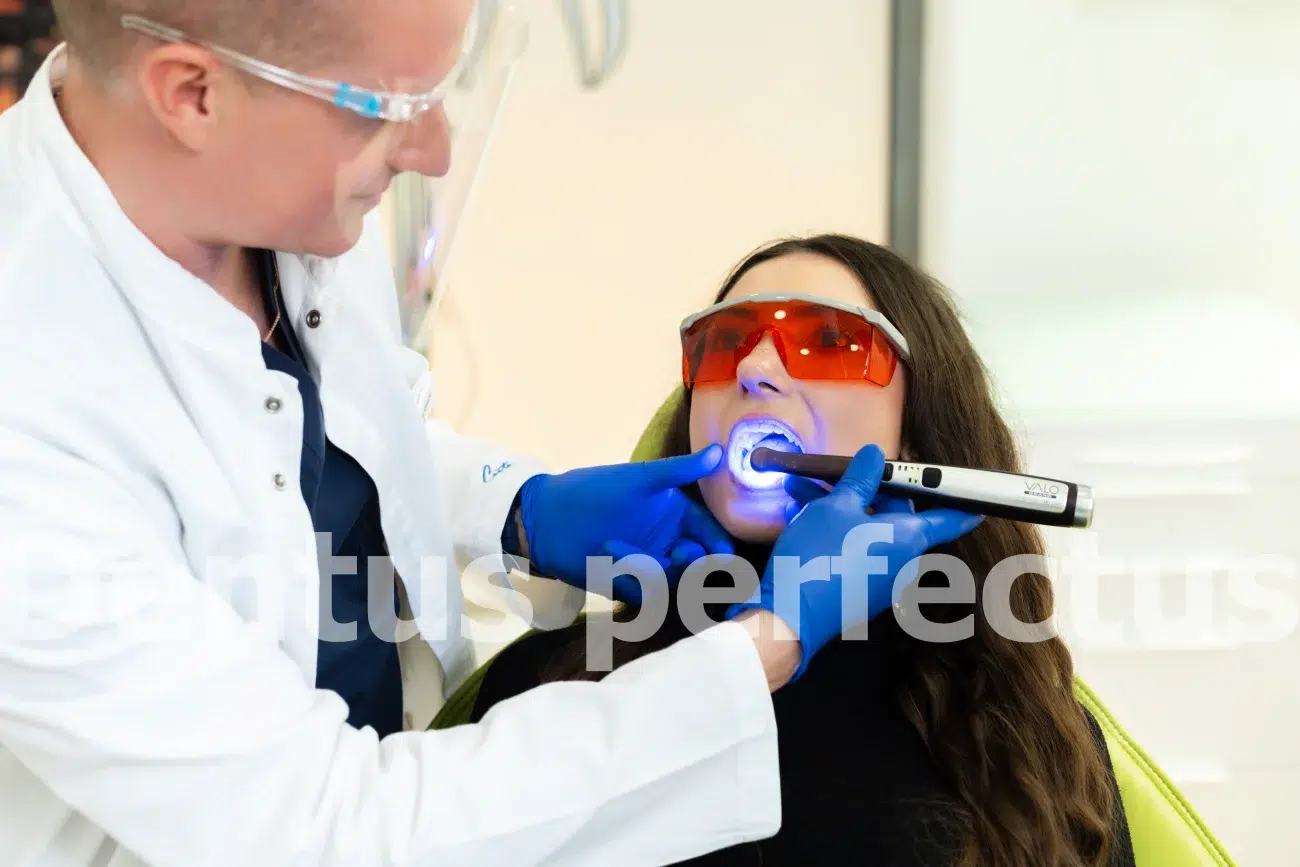
Tooth repair - picture shows procedure in Dentus perfectus dental chair

Which Material to Choose to Chew with Confidence? Find the Ideal Fix for Deep Decay

Do you feel a sharp twinge when you sip something hot or cold or when you lie down? When deep‑seated bacteria have reached the nerve, they cause intense pain that a simple filling can’t solve. We first clean the root canal to remove infection, then restore the tooth with either:

Composite (white) filling – when only a small portion of the tooth is missing. It bonds directly to enamel and blends seamlessly with your natural shade.

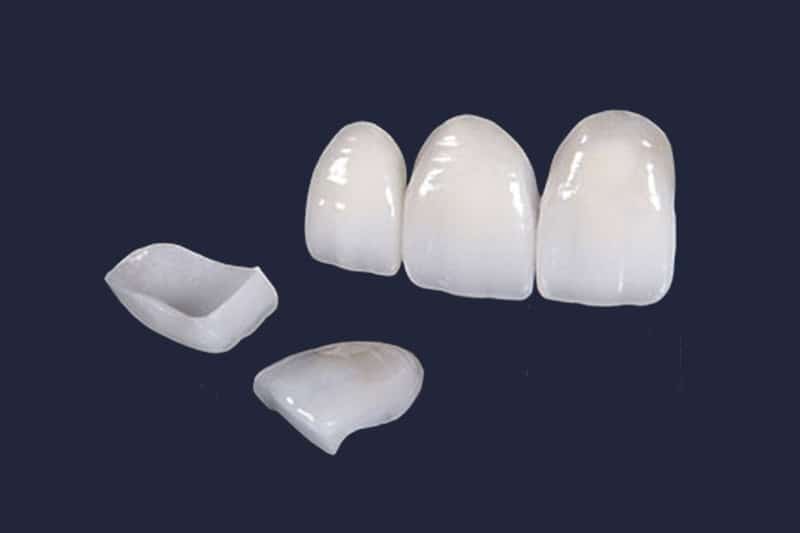
Ceramic inlay/onlay – when a larger section of the tooth is lost. Ceramic is stronger and more resistant, making it perfect for heavy chewing and long‑term durability.

Both options look beautiful but the right choice depends on how much tooth structure remains and how much biting force the tooth must handle. Our dentist will guide you to the solution that keeps your smile healthy and safe.

Make an appointment today!

Why Does Dental Nerve Inflammation Hurt?

At a tooth’s center is the pulp, a bundle of nerves and blood vessels that keeps the tooth alive. When decay breaks through the enamel and reaches pulp, bacteria trigger pulpitis (dental nerve inflammation). The swollen tissue squeezes blood vessels and nerve endings, cutting circulation and causing sharp pain—especially with hot or cold foods. The ache can spread to a jaw or even cause strong headaches.

A simple filling can stop an early decay. Once the pulp is infected, root canal treatment is needed in order to save the tooth. If you are experiencing persistent sensitivity or throbbing pain, visit our dentist to prevent bigger problems.

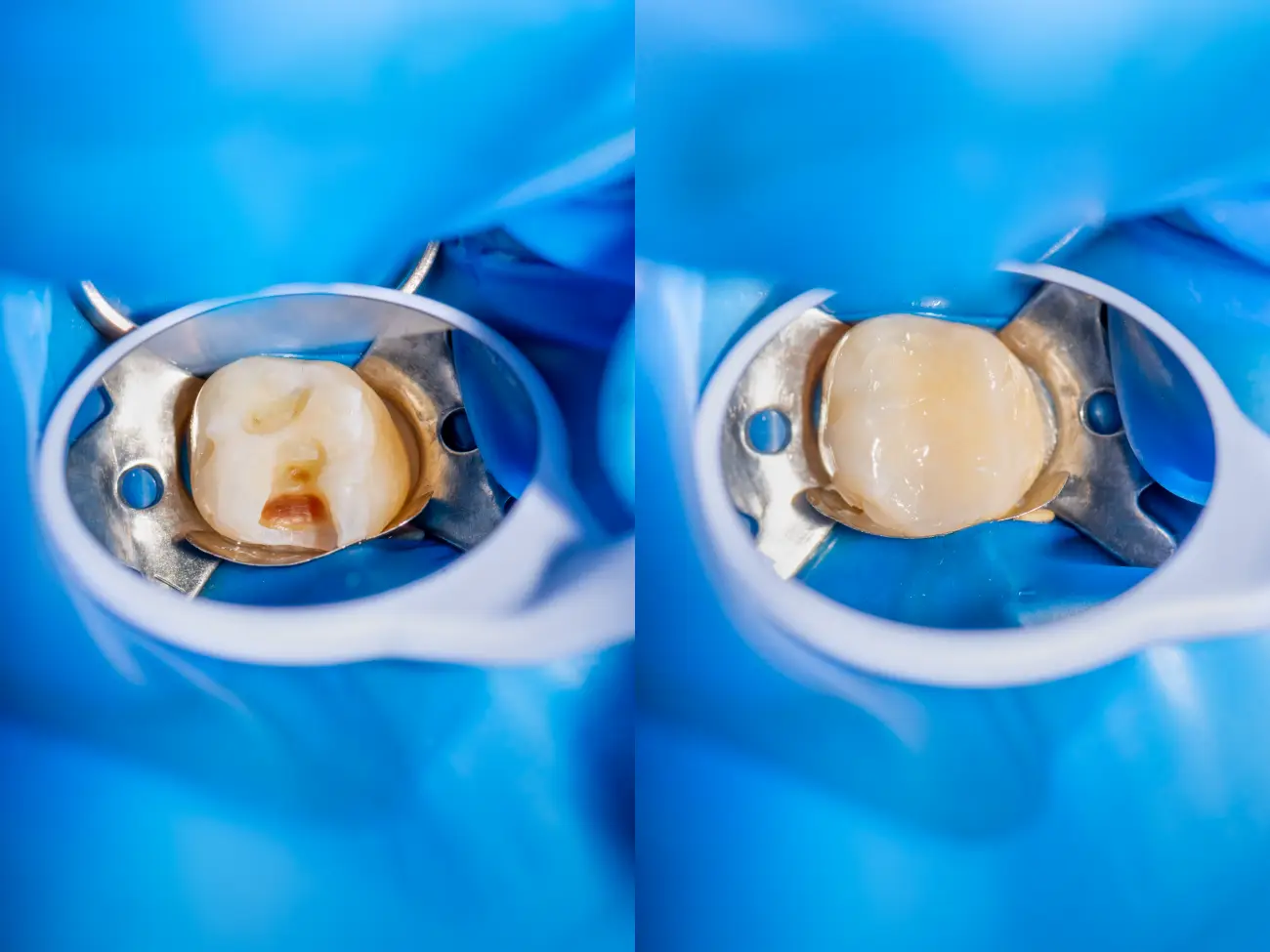
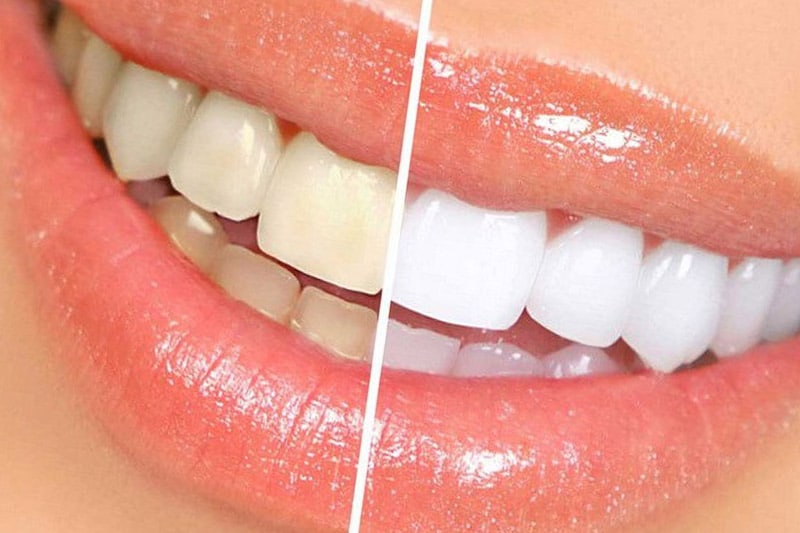
Tooth Repair in Dentus perfectus dental office - picture shows tooth before and after the procedure in Dentus perfectus dental office

Root Canal Treatment Helps Rescue Your Tooth

When bacteria reach the inside of a tooth, they can inflame the dental nerve, causing sharp and intense pain. Thanks to our modern technology, we can treat the nerve quickly and effectively—often in a single visit—so you spend less time in the chair and more time feeling better.

Why are diagnostics important?

By using digital X‑ray diagnostics and precise root‑canal techniques, we can remove the infected tissue, disinfect the root, and relieve your discomfort in just one appointment. Tooth repair has never been so detailed.

Why Does Root‑Canal Treatment Feel So Intimidating?

Years ago, when anesthesia wasn’t as effective as it is today, patients sometimes felt sharp twinges while the dentist worked inside the tooth. That often bad memory gave root canal treatment a reputation as the scariest treatment in dentistry. With the help of gentle anesthetics and advanced equipment, we keep you cozy from start to finish. Think of it as a rescue mission for your tooth. We clear away the infection while you sit back and relax. The result is lasting relief and a healthy tooth.

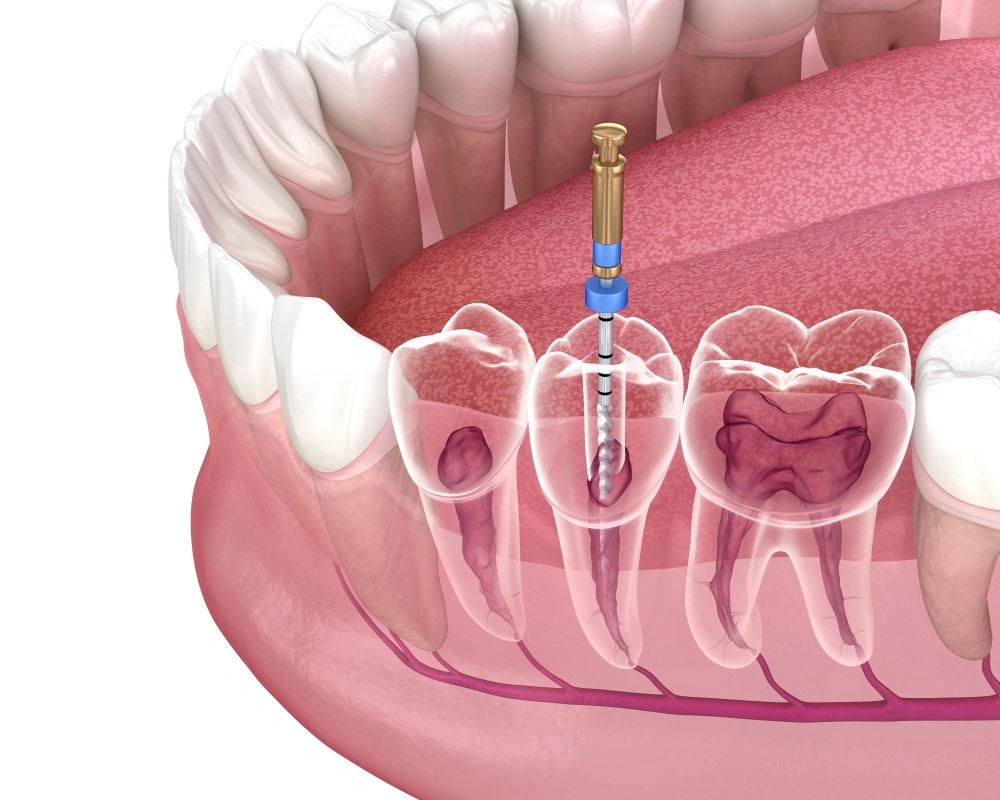
Root canal treatment in Dentus perfectus dental office

Make an appointment today!

How Can Radiovisography (RVG) Help?

Radiovisiography with high resolution reveals a detail insight in the number, position and curvature of the root and condition of jawbone health while an electronic apex locator pinpoints the exact canal length for precise treatment. We use it before the treatment to identify the problem and at the end of it. After thoroughly cleaning the canal, we pack it with gutta‑percha and bonding resin to create a barrier against bacteria.

How Many Visits Will Your Root Canal Need?

Incisors usually have one canal, premolars one or two, and molars three or four, so most cases finish in 1-2 visits. Major infections may need an extra appointment. The price is based on the number of treated canals.

Which Restoration Do You Need?

In the last step after the treatment we restore the tooth with a composite filling for minor decay, a custom ceramic inlay or overlay for moderate damage and full crown (metal‑ceramic, all‑ceramic, or zirconia) when the tooth is fully damaged—leaving you with a healthy smile. Modern dental prosthetics bring so many options.

Digital dental X-rays in Dentus perfectus dental office in Zagreb

Quick Checklist for Post-Treatment Aftercare

Avoid eating until anesthesia wears off to prevent biting your cheek or tongue. It can last from half an hour up to 5 hours. Our dentist will give you the exact instructions. Don’t chew on the treated side until the anesthesia wears off.

Why choose Dentus perfectus dental office?

  • Find all dental services in one place.

  • Let our team of dental experts guide you to a new smile.

  • We offer a welcome package for new patients.

  • Choose therapy that best suits you.

Dentus perfectus - vaš problem

We have answered our patients’ questions about “Tooth Repair”

Tooth repair is necessary in cases of tooth decay, cracks on the tooth surface, tooth wear, loosening of old fillings, gum recession and for aesthetic reasons.

It depends on the complexity of the case. The estimated time for completion is one hour.

If the filling is too high, there is discomfort when chewing or pain when closing the mouth. There is a feeling as if “something is in the way”. Sometimes it is not easy for the patient to know atm because of the numb feeling of anesthesia. If not sure, you will now for sure once anesthesia wears off.

Stick to soft foods for the first day (e.g. yogurt, eggs, soup, cooked meat). Avoid very hot, cold, or sticky foods for 1–2 days. Never chew on hard items like ice, fork etc.

Brush gently around the treated area with a soft toothbrush and toothpaste for sensitive teeth.

Mild sensitivity to pressure or temperature is normal for a few days. Take over-the-counter pain relievers when needed (e.g., ibuprofen).

Attend any scheduled follow-up visits, especially for restorations. Listen to our dentist so that you do not risk any complications. Inform us if your bite feels a little bit high when biting.

Make an appointment today!

Patient Testimonials

© Copyright Dentus perfectus
KONTAKTIRAJTE NAS